Paper Shredder Cut Types Explained
The main types of paper shredder cuts are strip-cut, cross-cut and micro-cut. Strip-cut makes long ribbons and is the least secure, cross-cut makes small rectangles at security level P-4, and micro-cut makes tiny particles for the highest home security.
On this page (7 sections)
- What are the types of paper shredder cuts?
- How secure is each type of paper shredder cut?
- How does cut type affect shredding speed and runtime?
- Which cut type suits a home office?
- How do the three cuts compare for a household?
- What else changes with the cut type?
- How do you choose between the types of paper shredder cuts?
The types of paper shredder cuts you'll find at retail come down to three: strip-cut, cross-cut and micro-cut. Each one describes the shape of the waste a shredder leaves behind, and that shape decides how secure your documents are and how often you empty the bin.
Strip-cut is the simplest and least private. Cross-cut is the everyday middle ground.
Micro-cut is the most secure of the three and the fastest to fill your bin.
This guide compares the cut types by the piece size each produces, the security level each meets, and the kind of buyer each one suits. If you want the full shopping view first, the paper shredder buying guide covers capacity, runtimes and price tiers together.
What are the types of paper shredder cuts?
A cut type is the shape and size of the pieces a shredder makes from each sheet. The three retail categories are strip-cut, cross-cut and micro-cut, and each falls at a different point on the security scale.
Here is how the pieces differ in size and what each one means for privacy.
| Cut type | Piece shape | Typical size | Security level |
|---|---|---|---|
| Strip-cut | Long ribbons | About 0.24 in wide | P-2 |
| Cross-cut | Small rectangles | About 0.2 x 0.7 in | P-4 |
| Micro-cut | Tiny particles | About 5/32 x 1/2 in | P-4 |
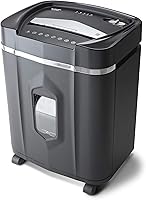
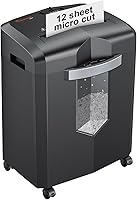
The strip-cut figure comes from the Amazon Basics 8-Sheet Strip-Cut Shredder, which lists a P-2 rating and 0.24 inch strips. The cross-cut figure is from the Amazon Basics 8-Sheet P-4 Cross-Cut Shredder, and the micro-cut figure is from the Fellowes LX220.
The security levels come from the DIN 66399 standard. P-2 sits at the basic end and P-4 is several steps higher.
A P-4 cross-cut and a P-4 micro-cut meet the same level even though the micro-cut pieces are smaller, because the standard groups both into the P-4 band.
What does the "cut" in a cut type actually describe?
The cut describes how the cutting mechanism works on the paper. A strip-cut head uses a row of straight blades that slice sheets lengthwise.
A cross-cut head adds a second cutting action so each strip is chopped across into rectangles. A micro-cut head goes finer again and leaves small particles.
That difference in mechanics explains the rest of the story. More cuts per sheet mean smaller pieces, a slower feed and more waste volume.
Fewer cuts mean faster shredding and long ribbons that are easy to read.
For a look at the machinery inside each type, our explainer on how does a paper shredder work walks through the cutters and the motor that turns them. The short version is that the head design is fixed at the factory, so the cut type you buy is the cut type you keep.
How secure is each type of paper shredder cut?
Security rises as the pieces get smaller. Strip-cut is the weakest of the three, cross-cut is a solid step up, and micro-cut gives you the finest waste of the retail options.
The practical test is reassembly. A determined snoop can piece together strips from a strip-cut shredder fairly easily because each ribbon still holds a full line of text.
Cross-cut rectangles are much harder to line up, and micro-cut particles are effectively impossible to rebuild by hand.
That's why the DIN 66399 level matters more than the marketing name. A P-2 strip-cut machine is fine for junk mail and routine paper.
Anything with a name, address, account number or signature deserves P-4 or better.
Households with medical records, tax papers or anything a fraudster would want should look at cross-cut or micro-cut. For a sense of what those machines will also destroy, our guide on can a paper shredder shred credit cards covers cards, staples and similar items.
Is micro-cut really more secure than cross-cut?
Yes, by piece size. The Fellowes LX220 micro-cut turns each sheet into roughly 1,257 particles measuring about 5/32 x 1/2 inch.
A P-4 cross-cut model like the Amazon Basics cuts rectangles around 0.2 x 0.7 inch.
Both meet P-4, so the standard treats them as the same security band. In practice the micro-cut particles are smaller and more numerous, which makes casual reassembly harder still.
If your documents are the most sensitive kind, the finer cut is the safer choice.
The trade-off is pace and bin fill. More particles mean more air and bulk in the bin, so you empty it more often.
That's why the LX220 pairs its fine cut with a large 8-gallon bin.
How does cut type affect shredding speed and runtime?
Smaller cuts mean more motor work per sheet, so runtimes usually shrink as the cut gets finer. Runtime depends on the motor and model rather than the cut type alone.
The Amazon Basics strip-cut lists a 2.5 minute runtime with a 15 minute cool down. The Amazon Basics cross-cut lists 3 minutes of runtime with a 30 minute cool down.
The Fellowes LX220 micro-cut runs up to 30 minutes before a 15 minute cool down.
Those figures aren't a straight comparison because the machines differ in size and price, so judge each model by its own stated runtime and cool-down rather than by its cut type.
For everyday shredding at home, a few minutes at a time is plenty. The runtime only matters if you plan to clear a box of old files in one sitting.
In that case, a longer runtime and a bigger bin save you from stopping and starting.
How often will you empty the bin?
More often with a finer cut. A micro-cut fills its bin with fluff and particles faster than a strip-cut making long ribbons, so the same paper volume takes up much more space.
The strip-cut model here has a 3.4-gallon bin. The cross-cut model has a 3.7-gallon bin.
The micro-cut LX220 has an 8-gallon bin, which partly offsets its faster fill rate.
If you shred a handful of papers a week, bin size is a minor detail. If you clear whole filing cabinets, a larger bin and a longer runtime keep the job moving.
Which cut type suits a home office?
Cross-cut is the best all-round choice for a home office. It gives you P-4 security, handles staples and small paper clips, and fills the bin at a manageable rate.
The Amazon Basics 8-Sheet P-4 Cross-Cut Shredder is the model to look at first. It takes up to 8 sheets of 20-pound bond paper per pass and cuts them into pieces around 0.2 x 0.7 inch.
It meets P-4, runs for 3 minutes, and has a 3.7-gallon bin.
It also shreds credit cards one at a time (though not metal cards), plus staples and small paper clips. That covers most of what a home desk produces.
Choose strip-cut only if you just need to reduce paper volume for recycling and don't care about privacy. Choose micro-cut if your documents are unusually sensitive and you don't mind the slower pace.
For a wider set of options at each level, browse the paper shredder buying guide, which sorts models by security level and room size.
When is strip-cut the right call?
Strip-cut makes sense when security isn't the goal. If you want to compact cardboard envelopes, junk mail or packing paper before recycling, a strip-cut machine does that quickly and cheaply.
The Amazon Basics 8-Sheet Strip-Cut Shredder handles 8 sheets at a time and also takes staples, small paper clips and credit cards one at a time. It's a budget-friendly way to cut paper down to size.
Just don't treat its ribbons as private. A P-2 strip-cut is easy to reassemble, so keep sensitive documents out of it.
Use it for the low-stakes pile.
When is micro-cut worth the extra cost?
Micro-cut earns its keep when you shred sensitive documents every week. Tax returns, medical records, bank statements and anything with a full account number belong in a fine cut.
The Fellowes LX220 takes 20 sheets per pass and turns each sheet into about 1,257 particles. It's a P-4 micro-cut with an 8-gallon bin, a jam-proof system and a safety sensor that stops the blades when hands or paws touch the paper entry.
The extra cost buys finer waste and more capacity. If your shredding is light and routine, cross-cut covers you at a lower price.
How do the three cuts compare for a household?
A household usually needs one cut type that matches its most sensitive documents, not all three. Most homes land on cross-cut as the safe default.
Here's how the three types stack up on the factors that matter at home.
| Factor | Strip-cut | Cross-cut | Micro-cut |
|---|---|---|---|
| Security | Basic (P-2) | Good (P-4) | High (P-4) |
| Speed | Fast | Steady | Slower |
| Bin fill | Slow | Moderate | Fast |
| Typical use | Junk mail, packing paper | Bills, statements, cards | Tax, medical, sensitive records |
The table is a guide, not a rule. A light shredder of any type suits a household that only clears a few envelopes a month.
A busy home office that handles client paperwork should lean cross-cut or micro-cut.
One more factor is what the machine can destroy beyond paper. Many modern shredders take staples, paper clips and credit cards, so the cut type isn't the only thing to check.
Our guide on can a paper shredder shred credit cards explains which items are safe and which should stay out.
If you want the history behind these machines and how the cuts evolved, the story of who invented the paper shredder is a short and useful read.
What should a family with kids look at first?
Safety features matter more than the cut type when children are around. Look for a machine with a sensor that stops the blades when hands approach the paper entry.
The Fellowes LX220 includes Safe Sense Technology for that reason. The Amazon Basics models don't list an equivalent sensor, so keep them out of reach of small children.
After safety, pick the cut by the documents you handle. A cross-cut model covers most family paperwork well.
What else changes with the cut type?
The cut type affects bin size, noise and the look of the waste, not just security. Finer cuts tend to need bigger bins and can run a little louder.
The Amazon Basics cross-cut lists 70 dB of noise. The strip-cut and micro-cut models don't publish a noise figure in the data we compared, so treat cross-cut's 70 dB as a reference point for a home machine.
Waste appearance matters if you compost or recycle. Strip-cut ribbons are easy to bag and take up little room.
Cross-cut rectangles pack down well. Micro-cut particles look like confetti and scatter easily, so empty the bin carefully.
None of these differences changes the security level. They're comfort factors that affect how pleasant the machine is to live with.
How do you choose between the types of paper shredder cuts?
Start with the most sensitive document you plan to shred, then pick the finest cut that handles it at a pace you can live with. For most homes that means cross-cut.
Here is the decision rule in plain terms. Pick strip-cut if you only need to reduce paper volume and privacy doesn't matter.
Pick cross-cut if you shred bills, statements and cards and want solid P-4 security at a steady pace. Pick micro-cut if you handle tax records, medical files or other highly sensitive papers and want the finest waste.
If you're unsure, cross-cut is the safe middle. It meets P-4, takes staples and cards, and fills its bin slowly enough for weekly use.
The Amazon Basics 8-Sheet P-4 Cross-Cut Shredder is the model we'd start with for a typical home desk.
If sensitive documents are routine in your house, the Fellowes LX220's 20-sheet capacity and fine micro-cut particles justify the step up. Its 8-gallon bin means fewer trips to empty it, and the jam-proof system reduces interruptions during a long session.
For light, low-stakes shredding, the Amazon Basics strip-cut model keeps costs down and handles junk mail and cards. Just keep private papers out of its ribbons.
Whichever type you pick, match the sheet capacity to your typical stack and check the runtime before a big clear-out. Those two specs, more than the cut name, decide whether a shredder feels convenient or frustrating in daily use.
Frequently asked questions
What do P-2, P-4 and P-5 mean on a shredder?
Those are security levels from the DIN 66399 standard. P-2 is the basic level for strip-cut, P-4 covers small cross-cut and micro-cut pieces, and P-5 needs even finer particles.
The higher the number, the smaller the pieces and the longer reassembly takes.
Can a strip-cut shredder handle staples and credit cards?
Some can. The Amazon Basics strip-cut model takes staples, small paper clips and credit cards one at a time.
Still check the model's own limits before feeding anything harder than paper.
Why does a micro-cut shredder fill its bin so fast?
Micro-cut turns each sheet into far more pieces, so the same amount of paper takes up much more room in the bin. A 20-sheet micro-cut like the Fellowes LX220 has an 8-gallon bin partly because the cut waste is so bulky.
Does the cut type change how long a shredder can run?
Not reliably. Runtime depends on the motor and model, and in this comparison the strip-cut (2.5 minutes) actually lists a shorter runtime than the cross-cut (3 minutes) and micro-cut (up to 30 minutes).
Check the stated runtime and cool-down before a big session.
What cut type should I choose for a home office?
Cross-cut is the practical default for a home office, because it gives solid security without the slow pace and fast bin fill of micro-cut. Choose micro-cut only if you handle highly sensitive documents regularly.