How to Oil Paper Shredder Blades
To oil paper shredder blades, run a line of shredder oil along the full width of the cutting head, then run the machine in reverse for a few seconds and forward again. Repeat twice a month or each time you empty the basket.
On this page (9 sections)
- Why do paper shredder blades need oil?
- Which lubricant should you use on the cutting head?
- How to oil paper shredder blades, step by step
- How often should you lubricate the cutters?
- Which machine types need oil, and which don't?
- What mistakes cause jams and messy cutting heads?
- Can oil sharpen shredder blades?
- What should you do with a shredder that's past saving?
- The short version on oiling paper shredder blades
To oil paper shredder blades, run a thin line of shredder oil across the full width of the cutting head, then run the machine in reverse for a few seconds and forward again. Do this twice a month or each time you empty the wastebasket.
A light coat is all the cutters need.
Lubricating the cutting head is the one maintenance job most shredder owners skip. It's quick, it keeps the blades turning freely, and it's the easiest way to cut down on jams and dust.
The steps below work for cross-cut and micro-cut machines, which need oil most.
Why do paper shredder blades need oil?
Oil conditions the cutters so they turn freely and throw less dust. Dry steel cutters rub against each other and against packed paper, and that friction wears them down.
Every cut leaves a little paper dust in the cutting head. Over time that dust packs into the gaps between the blades and makes the machine work harder.
Oil helps the cutters shed that dust instead of grinding it in.
Fellowes, which makes shredder oil for its own machines, says lubrication conditions the cutters and extends the life of the shredder. The company recommends oiling each time you empty the wastebasket, or at least twice a month.
That's a good schedule for most home and small-office machines.
Skip oil and the first thing you'll notice is noise. A dry shredder whines and labors on jobs it used to handle easily.
From there it's more frequent jams, more dust in the basket, and eventually cutters that don't cut cleanly anymore. A bottle of oil costs far less than a replacement machine.
Which lubricant should you use on the cutting head?
Use purpose-made shredder oil or lubricating sheets, not food oils or general-purpose sprays. The label should say it's for shredder cutters.
The Fellowes Powershred Shredder Oil is the most direct choice. It's a 16 oz squeeze bottle with an extended nozzle, so you can lay an even line across the full width of the cutter opening without splashing.
It's made for cross-cut and micro-cut machines. One bottle lasts a long time, since each oiling uses only a short bead.
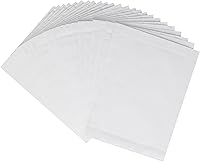
Lubricating sheets are the tidier option. You feed one through the paper slot like a sheet of paper, and the lubricant coats the cutters as they chew it.
Amazon Basics sells a 24-pack of these sheets made with vegetable oil and recycled paper. Bonsen's 50-pack works the same way and is meant to sharpen as well as lubricate.
Whatever you choose, keep food oils out of the machine. Our guide to whether can you use vegetable oil on paper shredder explains why cooking oil is a poor substitute, even though some lubricating sheets are made with vegetable oil in a controlled form.
How to oil paper shredder blades, step by step
Oil the cutters from the top, run the machine in reverse, then shred a little scrap paper to spread the oil. The whole job takes about a minute.
- Unplug the shredder or switch it off before you start.
- Find the cutting head through the paper slot. On most machines it's the row of steel teeth just inside the opening.
- Run a thin line of shredder oil along the full width of the cutting head. With the Fellowes bottle, use the extended nozzle and move steadily so the line is even. Don't pour, and don't soak the cutters.
- Plug the machine back in and hold the reverse button for about 3 to 5 seconds. The blades turn backward and carry the oil across the cutting head.
- Run it forward for a few seconds, then reverse again. Two or three short back-and-forth runs spread the oil evenly.
- Shred a few sheets of scrap paper to blot up any extra oil and check that the machine runs quieter.
If you use lubricating sheets instead, skip the oil line. Feed one sheet through the slot as you would paper.
The cutters pull it in and coat themselves as they shred it.
How much oil should you apply?
A short bead, not a puddle. A line no thicker than a pencil lead across the cutter opening is enough for a home machine.
Over-oiling is the most common mistake. Extra oil soaks into the next documents you shred and the machine may drip into the basket.
If you see oil pooling, wipe it off with a paper towel and shred some scrap paper to absorb the rest. You can always oil again in two weeks.
You can't easily undo a soaked cutting head.
Can you oil the blades without taking the machine apart?
Yes, and you shouldn't take it apart. Oil the cutting head through the paper slot as described above.
Opening the housing voids the warranty on most machines and risks damaging the cutters or the motor.
Never reach your fingers into the cutting head, even with the power off. Use the oil bottle's nozzle or a long applicator instead.
How often should you lubricate the cutters?
Oil a cross-cut or micro-cut shredder at least twice a month, and every time you empty the basket if you shred often. Strip-cut machines need it less often, about once a month.
The schedule depends on use. A home office that shreds a few sheets a day can follow the twice-monthly rule.
A busy office running the machine for an hour a day should oil more often, and always when the basket fills.
Signs it's time to oil before the calendar says so:
- A higher-pitched whine or a grinding sound during a shred.
- More paper dust in the basket than usual.
- Small jams that clear easily but keep coming back.
- Sheets that feed slowly or stall partway through.
Treat those as reminders. A quick oiling is cheaper and easier than a jam you have to clear with tweezers.
Which machine types need oil, and which don't?
Cross-cut and micro-cut shredders need regular oil because their cutters are packed close together. Strip-cut machines have open blades that collect less dust and need less attention.
Cross-cut shredders cut paper into small squares or confetti. Those close-set cutters grab dust and hold it.
Micro-cut machines cut even finer, and the tight clearances make lubrication more important. Fellowes makes its oil for exactly those two types.
Strip-cut machines slice paper into long ribbons. The blades sit farther apart, so dust falls away instead of packing in.
Oil them monthly at most, and only if the manual calls for it. Some strip-cut machines use self-lubricating parts and shouldn't be oiled at all.
Check the manual for the maker's schedule before you start. Our full guide to how to clean a paper shredder covers the rest of the maintenance routine, including how to clear dust from the basket and housing.
What mistakes cause jams and messy cutting heads?
The big mistakes are too much oil, the wrong oil and oiling at the wrong time.
Too much oil. The cutters don't need to be wet.
Excess oil stains documents, drips into the basket and attracts dust instead of repelling it.
The wrong oil. Food oils and general-purpose lubricants leave a sticky residue that traps paper dust and can gum up the cutters.
Use shredder oil or lubricating sheets only.
Oiling while the machine runs. Switch it off or unplug it before you put oil on the cutting head.
Running blades near your hand or the bottle nozzle is a needless risk.
Oiling instead of cleaning. If the cutting head is packed with dust and staples, oil alone won't fix it.
Clear the jam and brush out the dust first, then oil.
A dirty cutting head holds oil in the wrong places.
Skipping oil after heavy use. Shredding a big stack of documents, glossy paper or cardboard leaves the cutters dry.
Oil soon after a heavy session, not weeks later.
Can oil sharpen shredder blades?
No. Oil lubricates and protects the cutters, but it doesn't put a new edge on them.
Sharpening is a separate job, and many machines don't need it at all.
Lubricating sheets sold as "sharpening" sheets, like the Bonsen 50-pack, are made to sharpen, clean and lubricate the cutters as they pass through. Bonsen's 50-pack, for example, cleans and lubricates the blades while you shred.
That keeps them cutting cleanly for longer between oilings.
When a shredder starts leaving long strips or uncut sheets in a cross-cut machine, the cutters may be worn past what oil can fix. Our guide to how to sharpen a paper shredder explains when sharpening is worth the effort and when it's time to replace the machine.
What should you do with a shredder that's past saving?
If oiling and cleaning no longer keep the cutters working, retire the machine and recycle it. A worn-out shredder with a burnt motor or broken cutters isn't worth repairing for most home users.
Before you let it go, check the warranty. Some cutters are covered for a set number of years, and a replacement cutting head may be available.
If not, our guide on how to dispose of a paper shredder covers recycling options and what to do with the leftover oil bottle. Take the leftover oil bottle to a household hazardous waste drop-off instead of pouring it into the bin or the shredder.
The short version on oiling paper shredder blades
Oil the cutting head with a thin line of shredder oil or a lubricating sheet every two weeks, run it in reverse and forward, then shred scrap paper to blot the excess. That's the whole routine.
It keeps the cutters free, quiets the motor and heads off jams before they start.
Pick the Fellowes Powershred oil if you want a bottle you can aim precisely and don't mind a minute of manual work. Pick Amazon Basics lubricating sheets for a no-mess feed-through job, or the Bonsen 50-pack if you want a larger supply that also cleans the cutters.
Whichever you choose, follow the same rule: light coat, short runs, twice a month. Your shredder will run quieter and last longer, and you'll spend less time clearing jams.
Frequently asked questions
Can I oil a cross-cut shredder from the top?
Yes. Put a thin line of shredder oil across the cutter opening and run the machine in reverse, then forward.
The blades turn and spread the oil across the whole cutting head, which is how most manuals tell you to do it.
How do I know when my shredder needs oil?
Listen for a higher-pitched whine and watch for more paper dust or small jams. Those signs mean the cutters are dry.
A quick oiling usually settles the noise and makes the machine run smoother again.
Do I need to oil a strip-cut shredder?
Not as often. Strip-cut machines have wide blades that collect less paper dust than cross-cut cutters.
Oil them about once a month if you use them daily, or skip it if the manual says the cutters are self-lubricating.
Can I use cooking spray instead of shredder oil?
No. Cooking spray and food oils leave a sticky film that traps paper dust and can gum up the cutters.
Use a purpose-made shredder oil or lubricating sheets so the cutters stay clean and turn freely.
What happens if I over-oil the shredder?
Extra oil soaks into the next sheets you shred and leaves stains, and the machine may drop a puddle in the basket. Wipe up the excess and shred a few scrap sheets to absorb the rest before you feed anything important.