Can You Use Vegetable Oil on a Paper Shredder?
Yes, you can use vegetable oil on paper shredder cutters in small amounts, and lubricating sheets made with vegetable oil are the tidiest way to do it. Keep the dose small, spread it along the full width of the slot, and run a few sheets through to carry the oil into the cutters.
On this page (9 sections)
- Does vegetable oil work as shredder lubricant?
- How much vegetable oil should you use?
- How do you apply vegetable oil to the cutters?
- Why do lubricating sheets avoid the mess?
- Can you use vegetable oil to clear a jam?
- Which shredders handle oiled paper best?
- How do you keep the cutters clean between oilings?
- Is vegetable oil safe for every shredder?
- Can you use vegetable oil on paper shredder: the short version
Yes, you can use vegetable oil on paper shredder cutters in small amounts, and lubricating sheets made with vegetable oil are the tidiest way to do it. Keep the dose small, spread it along the full width of the slot, and run a few sheets through to carry the oil into the cutters.
A shredder only needs a thin film of oil to stay smooth, so more is not better. The question is less about whether vegetable oil works and more about how much to use and how to apply it without a mess.
Does vegetable oil work as shredder lubricant?
Yes, plain vegetable oil lubricates shredder cutters well enough for routine care. It is a light plant oil that coats the metal and reduces friction between the cutting blades.
Dedicated shredder oils are usually silicone-based or a light mineral oil blend, and they stay slippery for a long time. Vegetable oil does the same basic job in the short term, which is why some shredder makers build lubricating sheets from vegetable oil and recycled paper.
The catch is that vegetable oil can turn tacky as it sits. In a closed machine full of paper dust, a thick dose can collect fibers and slowly gum up the cutters, so a thin, even film matters more than the type of oil.
It also matters what you are feeding the machine. A cross-cut head that turns paper into small particles touches far more cutter edges per sheet than a strip-cut unit, so the film gets worked harder and wears away faster.
That is the mechanical reason oiling is tied to workload rather than to a fixed calendar date.
How much vegetable oil should you use?
Use a light drizzle, no more than a thin line across the slot. A few drops spread edge to edge is enough for a cross-cut or micro-cut head.
Too much oil soaks the paper path and leaves the next few shredding sessions oily. Instead of pouring, tip the bottle and let the oil run in a thin stream while you move it from one side of the slot to the other.
If you're unsure, start with less. You can always add a little next time, but you can't easily take oil back out of the cutters.
A 16 fluid ounce bottle goes a long way at this dose. The same bottle that seems modest for a large machine will last a home user for many months, because each oiling uses only a small amount.
How do you apply vegetable oil to the cutters?
Drizzle along the feed slot, then shred a few sheets to spread it. The paper carries the oil down into the cutting head as it passes through.
Run the machine in forward mode for a few seconds so the cutters turn without paper, then feed two or three plain sheets. Let the shredder finish each pass before adding the next one.
Don't push oil-soaked paper into the slot, because wet paper can clump and jam. A dry sheet that picks up the thin film in the slot is all you need.
A bottle with a long nozzle, like the Fellowes Powershred oil, makes it easier to lay an even line. The nozzle is the main reason to keep a purpose-made bottle even if you prefer vegetable oil, because you can refill it and still get a controlled stream.
The extension tip also lets you aim past the safety flap on many home units, where a plain pour would land in the wrong spot.
Which bottle format works best for a home shredder?
A squeeze bottle with an extended nozzle is the format to look for. The Fellowes bottle uses a 16 ounce round squeeze body and a nozzle that carries the oil across the full width of the slot, so you can oil edge to edge without tipping the whole container over the machine.
That control matters more than the oil inside. A steady, narrow stream keeps the dose light and keeps the oil off the top cover and your desk.
It also makes the twice-a-month habit quick enough that you will actually keep it.
Why do lubricating sheets avoid the mess?
Sheets carry a measured dose, so there's no bottle, no drips and no oily hands. You feed one sheet straight into the slot and the oil goes with it.
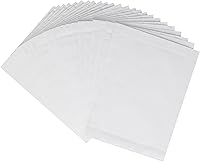
The Amazon Basics pack is a good example: each sheet is made with vegetable oil and recycled paper and is sized at 8.4 x 6.0 inches. The sheet also picks up static dust and buildup as it passes, which helps keep the cutters clear.
Sheets suit anyone who shreds at home and wants lubrication to be part of a regular routine rather than a messy project. A bottle still helps when a jam needs a direct shot of oil.
The pack holds 24 sheets, which is enough for a year of routine care at the twice-a-month pace, and the sheets work in any shredder regardless of brand or cut type.
Can you use vegetable oil to clear a jam?
Yes, a little oil on a jam can help free stuck paper. Drizzle a small amount into the feed slot where the paper is caught, then run the machine forward.
If the jam holds, switch to reverse for a few seconds, then forward again. A piece of cardstock can sometimes push the stuck paper through, but never force it with a tool.
Bonsaii's troubleshooting notes suggest exactly this approach for stubborn jams: oil the slot, run the shredder in auto or forward mode, and use a rigid sheet of cardstock if needed. Once the jam clears, shred a dry sheet to pick up the extra oil.
Oil works here because it softens the grip between the jammed paper and the cutters. It is a rescue step, not a substitute for regular care.
A machine that jams often is usually overfed or overdue for a clean, and oil alone won't fix that pattern.
For a full routine, see how to use a paper shredder so jams become rare in the first place.
Which shredders handle oiled paper best?
Cross-cut and micro-cut shredders need oil most, because their cutters have more edges and moving parts. Strip-cut machines have simpler blades and tolerate less frequent care.
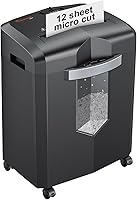
The Bonsaii 15-sheet cross-cut model shreds paper, CDs, credit cards, mail and staples into 13/64 x 63/64 inch particles. It runs for up to 40 minutes continuously, cools for about 40 minutes, and holds a 5-gallon pull-out bin that takes roughly 350 sheets.
Bonsaii recommends regular cleaning and oiling to keep the cutters clear. A machine that runs this hard benefits from the twice-a-month minimum, and more often if you empty the bin frequently.
Machine size matters too. A light-duty home shredder used once a week needs far less oil than an office unit that runs every day, so match the dose and schedule to the workload.
The bin capacity is the easiest guide, since each empty is a natural reminder to oil.
How do you keep the cutters clean between oilings?
Shred a few plain sheets after oiling to strip loose dust, and empty the bin before it packs tight. Oil and paper dust together are what clog cutters, not the oil alone.
Run a sheet of plain paper through occasionally to pick up residue. If the cutters start to squeak or strain, that's a sign the thin film has worn off and it's time to oil again.
Follow the steps in how to clean a paper shredder for a deeper clean, including the cutters and the bin. A clean machine holds oil where it belongs instead of trapping it in a layer of dust.
Avoid over-oiling as a shortcut for cleaning. If the cutters are clogged, clear the debris first, then add a light dose.
A large pull-out bin makes this easier, because you can lift the head, check the cutter area and see buildup before it becomes a jam.
Is vegetable oil safe for every shredder?
Plain vegetable oil is safe for most cross-cut and micro-cut shredders, but check your manual first. Some makers specify their own oil, and following that keeps any warranty discussion simple.
Skip oils with added flavorings, essential oils or strong preservatives, since those can leave residue or smell. Plain, food-grade vegetable oil is the closest match to the oil in commercial lubricating sheets.
If you own a heavy-duty or high-security machine, the maker's own oil, like the Fellowes Powershred bottle for cross-cut and micro-cut units, is the safest choice. For a standard home shredder, a thin film of vegetable oil does the job.
Can you use vegetable oil on paper shredder: the short version
Yes, and the smartest approach is a thin dose of vegetable oil or a vegetable-oil sheet, applied on a regular schedule. Oil the cutters each time you empty the bin, or at least twice a month, and shred a plain sheet afterward to spread it.
Pick the lubricating sheets if you want a clean, measured routine, or a squeezable bottle if you'd rather oil the slot directly or treat a jam. Either way, keep the dose light and the cutters clean.
A well-oiled machine runs smoother and jams less. If you're still choosing a unit, compare paper shredders by cut type and run time, and when a tired old machine finally gives up, see how to dispose of a paper shredder before you replace it.
Frequently asked questions
How often should you oil a paper shredder?
Fellowes says to oil its shredders each time you empty the wastebasket, or at least twice a month. A home shredder that sees light use can usually wait for the twice-a-month minimum.
Shredders that run often, or that start to sound strained, need it more frequently.
Does vegetable oil go bad inside a shredder?
Plain vegetable oil can turn sticky as it ages, and old oil collects paper dust that clogs the cutters. Use a light dose and let the machine run so the oil spreads thin.
If the cutters feel gummy later, run a few plain sheets through and clean the unit.
Are vegetable oil lubricating sheets better than a bottle?
Sheets are cleaner because they carry a measured dose and never drip onto your hands or desk. A bottle gives you more control for stubborn jams and large machines.
Many people keep both and use sheets for routine care.