Do All Paper Shredders Need Oiling?
No, not all paper shredders need oiling. Cross-cut and micro-cut models need lubrication to keep their cutters conditioned and to slow wear. Strip-cut machines usually run without oil, and the shredder's manual settles it either way.
On this page (8 sections)
- Which shredders need oiling and which don't?
- How do you tell if your shredder needs oil?
- How often should you oil a cross-cut shredder?
- How do you oil a paper shredder correctly?
- Are lubricant sheets as good as oil?
- Which shredders should you never oil?
- What else keeps a shredder cutting well?
- The bottom line on oiling paper shredders
No, not all paper shredders need oiling. Cross-cut and micro-cut models need lubrication to keep their cutters conditioned and to slow wear.
Strip-cut machines usually run without oil, and the shredder's manual settles it either way.
The cut type decides the answer, not the brand or the price. A machine with two straight rows of blades behaves very differently from one that chops paper into tiny particles.
Which shredders need oiling and which don't?
Cross-cut and micro-cut shredders need oiling; most strip-cut shredders do not. The finer the cut, the more metal rubs against metal with every sheet you feed in.
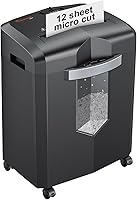
A cross-cut shredder slices paper in two directions, so its cutters meet at many points. That constant contact builds friction and static dust, and a light coat of lubricant conditions the blades and helps them keep cutting cleanly.
Micro-cut machines cut even finer and lean on lubrication just as much.
Strip-cut shredders run paper through straight blades that shear in one direction. There is far less metal-on-metal contact, so many are sold as no-oil machines.
Some manufacturers still ask for light lubrication on strip-cut models, so the manual is the final word.
High-security shredders built for micro-cut work are the clearest case for oil. Fellowes lists maintaining its high security and high capacity shredders as a specific use for its shredder oil.
If your model chews documents into confetti, plan on lubricating it.
How do you tell if your shredder needs oil?
Check the manual or the maker's care page first, then look at the cut type. Those two signals settle the question faster than any general rule.
Open the bin and look at the debris. Straight ribbons mean a strip-cut machine.
Short rectangles mean cross-cut. Tiny flakes and dust mean micro-cut.
Cross-cut and micro-cut are the types that normally want oil.
Many makers print a care line in the manual, often saying to oil each time you empty the basket. If yours says that, follow it.
If the manual is gone, search the model number on the manufacturer's site and look for a maintenance or lubrication note.
Signs that lubrication is due include squeaking or grinding from the cutters and more paper dust in the bin than usual. A machine that jams more often than it used to is another hint.
None of these proves the cause on its own, so confirm with the manual before adding oil.
How often should you oil a cross-cut shredder?
Fellowes says to oil its shredders each time you empty the wastebasket, or at least twice a month. That schedule keeps the cutters conditioned instead of letting them run dry for weeks.
Emptying the bin is a natural trigger. The cutters are exposed and the machine is already stopped, so a quick pass takes seconds and you won't forget.
For a busy home office that fills the basket weekly, that means weekly oiling.
A light household that shreds a few statements a month can follow the twice-a-month floor. Twice a month is the minimum Fellowes states for best results, not a ceiling.
If your machine runs hot or jams often, lubricate more rather than less.
Skip the schedule entirely for a strip-cut machine whose manual doesn't ask for oil. Adding lubricant to a no-oil model just leaves a greasy bin and slippery debris.
How do you oil a paper shredder correctly?
Run the machine in reverse and apply a thin line of oil across the cutters, then shred paper to spread it. The reverse setting feeds the cutters backward and lets you reach them safely.
Start with an empty basket so the oiled debris doesn't sit under fresh shreds. Put the machine in reverse and let the cutters turn.
Apply a small amount of oil in a line along the cutters, following the bottle's directions.
Switch to forward and feed a few sheets through to work the oil into the blades. Wipe any excess oil off the top plate with a paper towel.
Then run a sheet or two of plain paper to clear the residue before shredding documents again.
For a full walk-through of feeding, jam clearing and safe stopping, see our guide to how to use a paper shredder the right way.
Who should pick the Fellowes Powershred oil?
The Fellowes Powershred oil suits anyone who wants direct control over where the lubricant goes. Its 16 oz squeeze bottle has an extension nozzle that reaches along the cutters for full coverage.
Fellowes makes this oil for cross-cut and micro-cut shredders. The maker's instruction is to oil each time you empty the wastebasket or at least twice a month.
One bottle lasts a long time at that pace.
Pick it if you own a Fellowes machine or simply prefer a bottle you can keep in a drawer. The nozzle helps when you want a thin line rather than a puddle.
The trade-off is that oil is messier than sheets, so keep a rag handy.
Are lubricant sheets as good as oil?
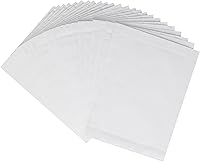
Yes, lubricant sheets lubricate cross-cut and micro-cut cutters without the mess of a bottle. You feed one sheet through like paper, and the sheet carries the oil to the blades as it shreds.
Sheets are pre-dosed, so there is no risk of flooding the cutters. They also keep your hands clean, which matters if the shredder sits in a home office or a shared room.
The sheet's own paper carries the lubricant, so the dose is even across the cut.
Oil still has a place. A bottle gives you more control on a large machine or a hard-to-reach cutter set.
Sheets are simpler for small desks and for people who want the job done in one motion.
Either way, the schedule stays the same. Lubricate when you empty the bin or at least twice a month for machines that call for it.
Our guide to how to clean a paper shredder covers the wiping and dust removal that goes with lubrication.
Who should pick the Amazon Basics lubricant sheets?
The Amazon Basics sheets suit readers who want a clean, no-mess way to lubricate a shredder. The 24-pack gives you a supply that lasts months at a twice-a-month pace.
Each sheet measures 8.4 x 6.0 inches. The maker says they help prevent paper jams and reduce static dust and buildup.
The sheets are made with vegetable oil and recycled paper and are listed as compatible with all shredders.
They work best for cross-cut and micro-cut machines that need regular lubrication. Feed one sheet straight into the paper slot.
Skip them if you want a bottle for precise dosing on a large machine.
Who should pick the Fellowes Powershred lubricant sheets?
The Fellowes sheets suit anyone who wants the maker's own dosing for a Fellowes cross-cut or micro-cut shredder. The 10-pack feeds one sheet at a time, just like paper.
Fellowes says the sheets lubricate and clean the blades to slow wear and reduce paper dust. The company recommends one sheet each time you empty the waste bin.
The sheets are compatible with all cross-cut and micro-cut shredders.
A 10-pack covers a couple of months at weekly use. Choose the larger Amazon Basics pack if you want more sheets per buy.
Choose Fellowes if you want the brand that made your machine to supply the lubricant.
Which shredders should you never oil?
Never oil a shredder whose manual says not to, and don't oil strip-cut models sold as no-oil. Following the maker's instruction protects the warranty and keeps the machine running as designed.
Some strip-cut shredders are built to run dry. Oil on straight blades can collect dust and leave a film that makes the cut messier.
A no-oil machine does not need lubrication to stay in condition.
Skip kitchen oils, cooking sprays and general-purpose lubricants too. They can gum up the cutters and attract debris.
Use a product made for shredders, such as the oil or sheets above.
Follow the steps in your manual as well. Clearing the cutters of staples and paper clips before lubricating is part of routine care.
If your machine has stopped cutting cleanly, how to sharpen a paper shredder explains when a fresh cut is possible and when replacement makes more sense.
What else keeps a shredder cutting well?
Regular emptying, correct sheet counts and a quick wipe of the cutters do more for shredder life than oil alone. Lubrication is one part of upkeep, not a fix for overfeeding.
Respect the sheet capacity in the manual. Overfeeding is the most common cause of jams, and oil won't clear a jam that comes from too much paper at once.
Feed fewer sheets when the machine slows.
Empty the basket before it packs tight. A full bin backs shreds up into the cutters and raises the load.
Wipe dust from the top plate and the bin when you lubricate.
Finally, plan the machine's end. When a shredder finally gives out, our guide to how to dispose of a paper shredder covers recycling and safe removal of the cutters.
The bottom line on oiling paper shredders
So, do all paper shredders need oiling? **No.
Cross-cut and micro-cut models need it, most strip-cut models don't, and your manual decides.** Lubricate a cross-cut or micro-cut machine each time you empty the bin or at least twice a month.
Pick the Fellowes oil bottle if you want direct control and a nozzle that reaches the cutters. Pick lubricant sheets if you prefer a clean, pre-dosed job.
Either way, confirm the type of your shredder before you start, and follow the maker's schedule.
Frequently asked questions
Can I oil a shredder with cooking oil?
No. Kitchen oils and sprays can gum up the cutters and attract dust.
Use a product made for shredders, such as a dedicated shredder oil or a lubricant sheet.
Does oiling a shredder make it cut faster?
No. Oil conditions the cutters and helps hold off jams and wear, but it does not change the motor speed or sheet capacity.
A clogged or dull machine still needs cleaning or replacement.
Do strip-cut shredders ever need oil?
Some manufacturers ask for light lubrication on strip-cut models, so follow the manual rather than assuming. Most strip-cut machines are sold as no-oil, and adding oil when it isn't called for just makes a mess.
Is it better to use oil or lubricant sheets?
Either works. Oil gives you direct control over where it goes, while sheets are cleaner and dose themselves.
Pick oil for a bottle you'll keep, or sheets if you dislike the mess.